Why Every Business Needs an SEO Specialist in 2026
In today’s digital-first world, simply having a website is no longer enough. Millions of websites compete for attention every single day, and businesses that fail to appear in search results lose valuable customers to competitors. This is where an SEO specialist becomes essential.
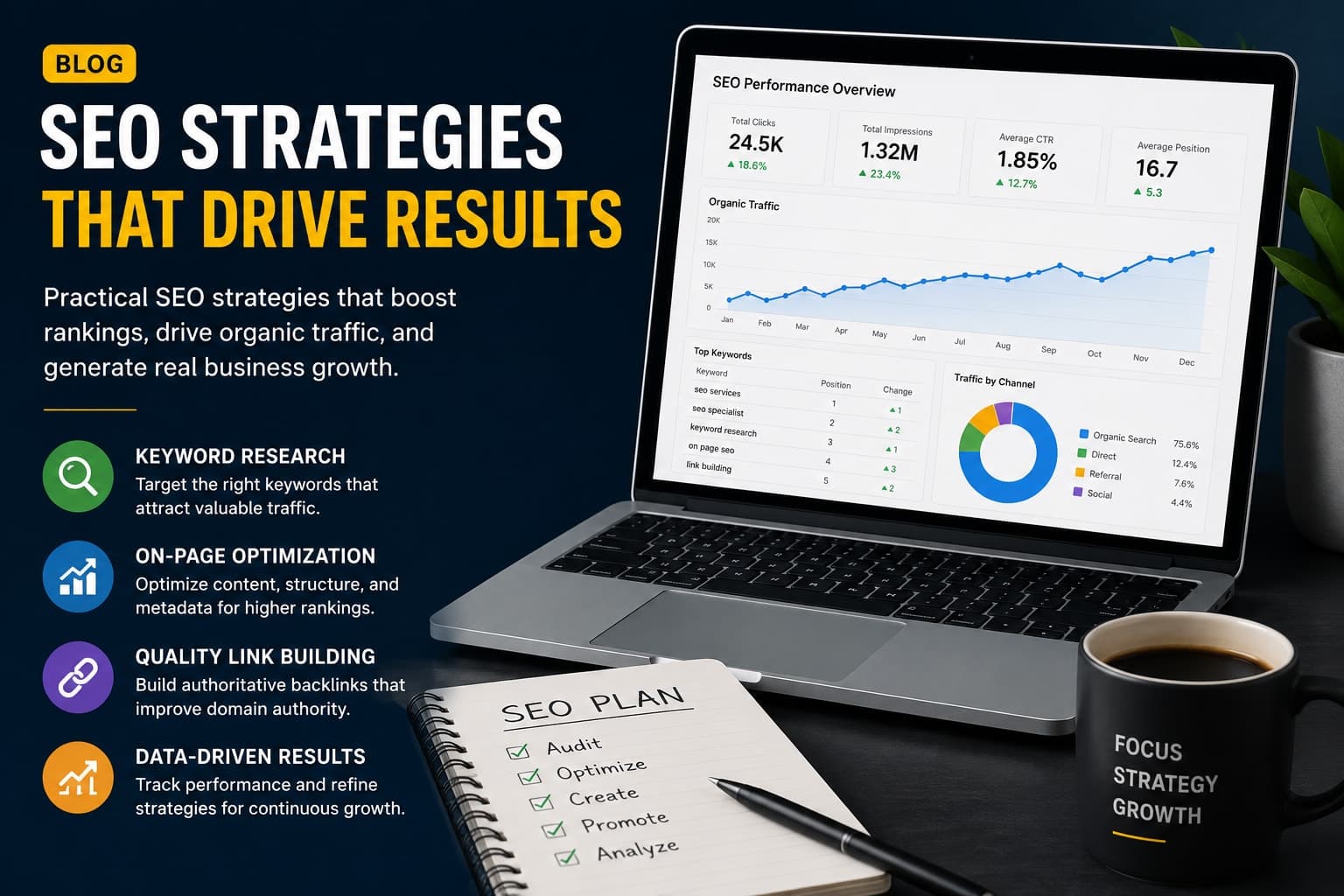
Introduction
In today’s digital-first world, simply having a website is no longer enough. Millions of websites compete for attention every single day, and businesses that fail to appear in search results lose valuable customers to competitors. This is where an SEO specialist becomes essential.
An SEO specialist helps businesses improve their online visibility, rank higher on search engines, attract targeted traffic, and generate long-term growth. From technical optimization to content strategy, SEO plays a major role in building a strong digital presence.
In this blog, we’ll explore why SEO matters more than ever in 2026, how SEO specialists help businesses grow, and what makes a successful SEO strategy.
What Is SEO?
SEO (Search Engine Optimization) is the process of improving a website so it ranks higher on search engines like Google. The goal is to increase organic traffic by making the website more relevant, faster, user-friendly, and valuable to users.
SEO includes:
Keyword research
On-page optimization
Technical SEO
Content strategy
Link building
Mobile optimization
Performance optimization
Local SEO
Analytics and reporting
A well-optimized website not only attracts visitors but also improves user experience and conversions.
Why SEO Is Important for Businesses
1. Increases Organic Traffic
Organic traffic is one of the most valuable traffic sources because it brings users who are actively searching for products or services. Ranking on the first page of Google can significantly increase visibility and website visits.
Businesses that invest in SEO consistently receive long-term traffic without relying entirely on paid advertisements.
2. Builds Brand Credibility
Users trust websites that appear at the top of search results. Higher rankings create stronger credibility and authority in the market.
When a business consistently appears in search results, users naturally begin to recognize and trust the brand.
3. Improves User Experience
Modern SEO is not only about keywords. Google prioritizes websites that offer excellent user experience.
An SEO specialist helps improve:
Website speed
Mobile responsiveness
Navigation structure
Accessibility
Content readability
These improvements help users stay longer and increase conversion rates.
4. Generates Better Leads
SEO targets users with specific intent. Whether someone is searching for “best web development agency” or “local SEO services,” they are already interested in the service.
This means SEO often generates high-quality leads compared to traditional marketing.
5. Long-Term Business Growth
Unlike paid ads that stop delivering results once the budget ends, SEO provides long-term value.
A properly optimized website can continue attracting traffic and leads for months or even years.
Key Skills of an SEO Specialist
An effective SEO specialist combines technical knowledge, analytical thinking, and content strategy.
Keyword Research
Understanding what users search for is the foundation of SEO. Proper keyword research helps identify opportunities with high search volume and achievable competition.
On-Page SEO
On-page SEO focuses on optimizing:
Titles
Meta descriptions
Headings
URL structures
Internal linking
Content quality
Image optimization
These elements help search engines understand the website better.
Technical SEO
Technical SEO ensures that websites are crawlable, fast, and error-free.
Important technical SEO tasks include:
Fixing broken links
Optimizing Core Web Vitals
XML sitemap setup
Robots.txt configuration
Structured data implementation
Improving website speed
Content Optimization
Content remains one of the most important ranking factors.
An SEO specialist creates strategies that help businesses publish valuable, optimized, and user-focused content.
Analytics and Reporting
SEO specialists use tools like Google Analytics and Google Search Console to monitor:
Traffic growth
Keyword rankings
User behavior
Conversion performance
Technical issues
Data-driven decisions are essential for SEO success.
SEO Trends in 2026
AI-Powered Search
Search engines are becoming smarter with AI-driven algorithms. Content quality, relevance, and user intent matter more than keyword stuffing.
Businesses must focus on helpful, experience-driven content.
Mobile-First Optimization
Most users browse websites from mobile devices. Mobile performance directly impacts rankings and user engagement.
Core Web Vitals
Google continues prioritizing fast-loading and stable websites. Performance optimization has become a critical ranking factor.
Voice Search Optimization
Voice searches are increasing rapidly. SEO strategies now focus on conversational keywords and question-based content.
Local SEO Growth
Local businesses rely heavily on local search visibility. Optimizing Google Business Profiles and local keywords is more important than ever.
How SEO Helps Different Industries
SEO benefits almost every industry:
IndustrySEO BenefitsE-commerceIncreased product visibility and salesHealthcareBetter local reach and patient trustReal EstateImproved property discoverabilitySaaSHigher lead generation and conversionsRestaurantsBetter local search rankingsAgenciesIncreased inbound client inquiries
No matter the industry, SEO helps businesses reach the right audience.
Common SEO Mistakes Businesses Make
Many businesses struggle with SEO because of avoidable mistakes.
Ignoring Technical Issues
Broken pages, slow speed, and poor mobile performance negatively affect rankings.
Publishing Low-Quality Content
Thin or duplicate content provides little value to users and often performs poorly.
Keyword Stuffing
Overusing keywords makes content unnatural and can harm rankings.
Lack of Consistency
SEO requires long-term consistency. Businesses expecting instant results often give up too early.
Not Tracking Performance
Without analytics, it becomes difficult to understand what’s working and what needs improvement.